
Africa’s Secret Season: Why the Shoulder Months Are the Smartest Time to Go
Published: 5 February 2026
Across Africa, there are different months of the year where each country seems to loosen its shoulders, breathe out, and show you a side kept tucked away from the crowds. I call it Africa’s “Secret Season”. It’s a deliciously underrated stretch when thunderstorms rehearse their own opera, the air gets that soft, humid glow, and the bush puts on its most photogenic outfit.
And after nearly three decades of planning safaris, I’ll tell you a secret of my own: this is often my favorite time to send guests into the wild. It’s atmospheric, it’s cost-effective, and it makes Africa feel as though it’s telling its stories directly to you - soul-stirring stuff I tell you!
What Makes the Green Season So Extraordinary
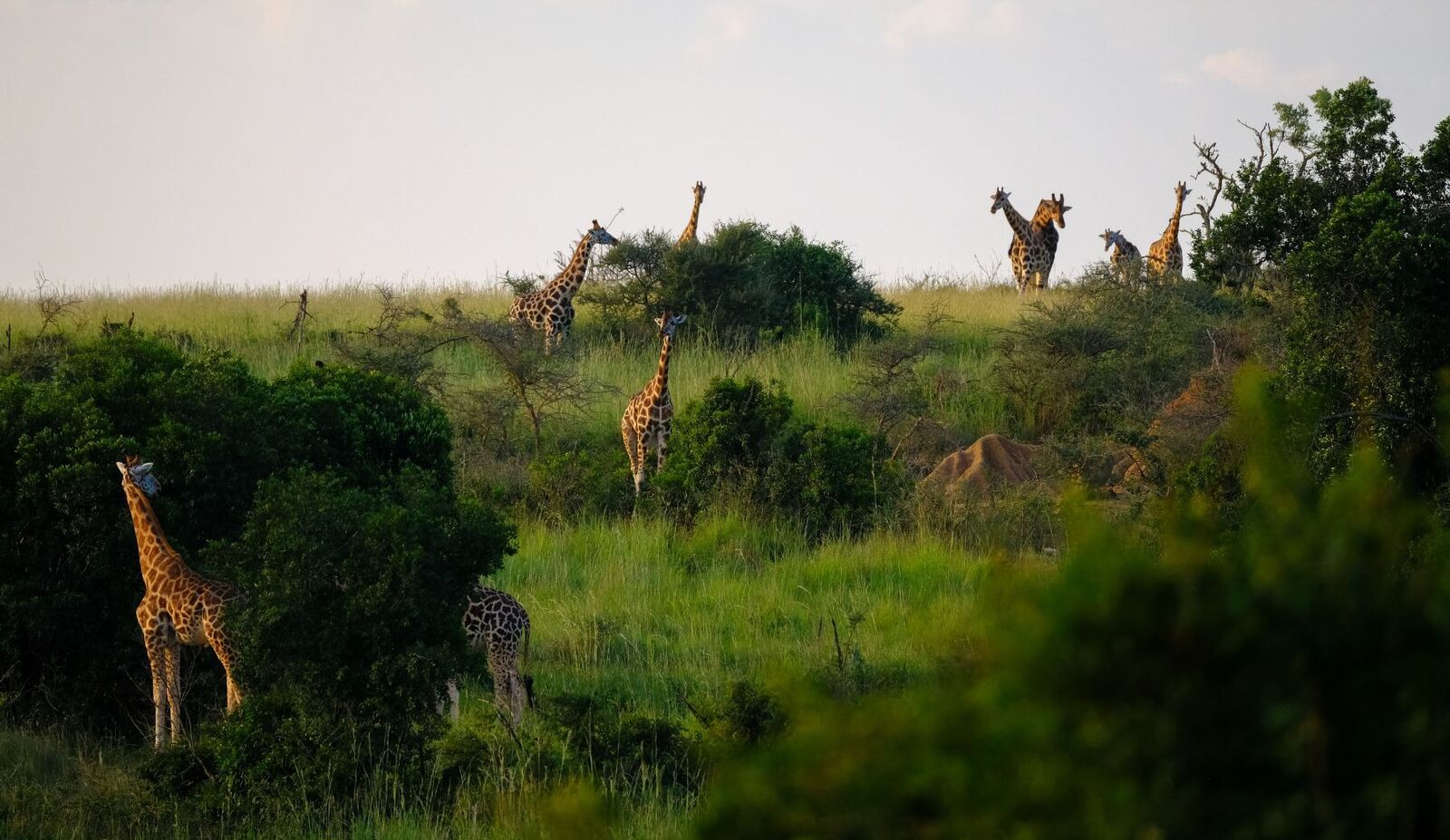
The Green Season is shaped by warm rains, rising humidity and wide, moody skies. The result is a landscape that feels cinematic. Grasslands glow, trees burst with new growth, and wildlife contrasts spectacularly against this lush revival - photographers “froth” at the scenery.
But the magic doesn’t look the same everywhere. The Green Season shifts across regions, each offering something different.
Where and When Africa’s Secret Season Unfolds
I’ve prepared a simple guide to the continent’s most atmospheric months:
Botswana | January to May
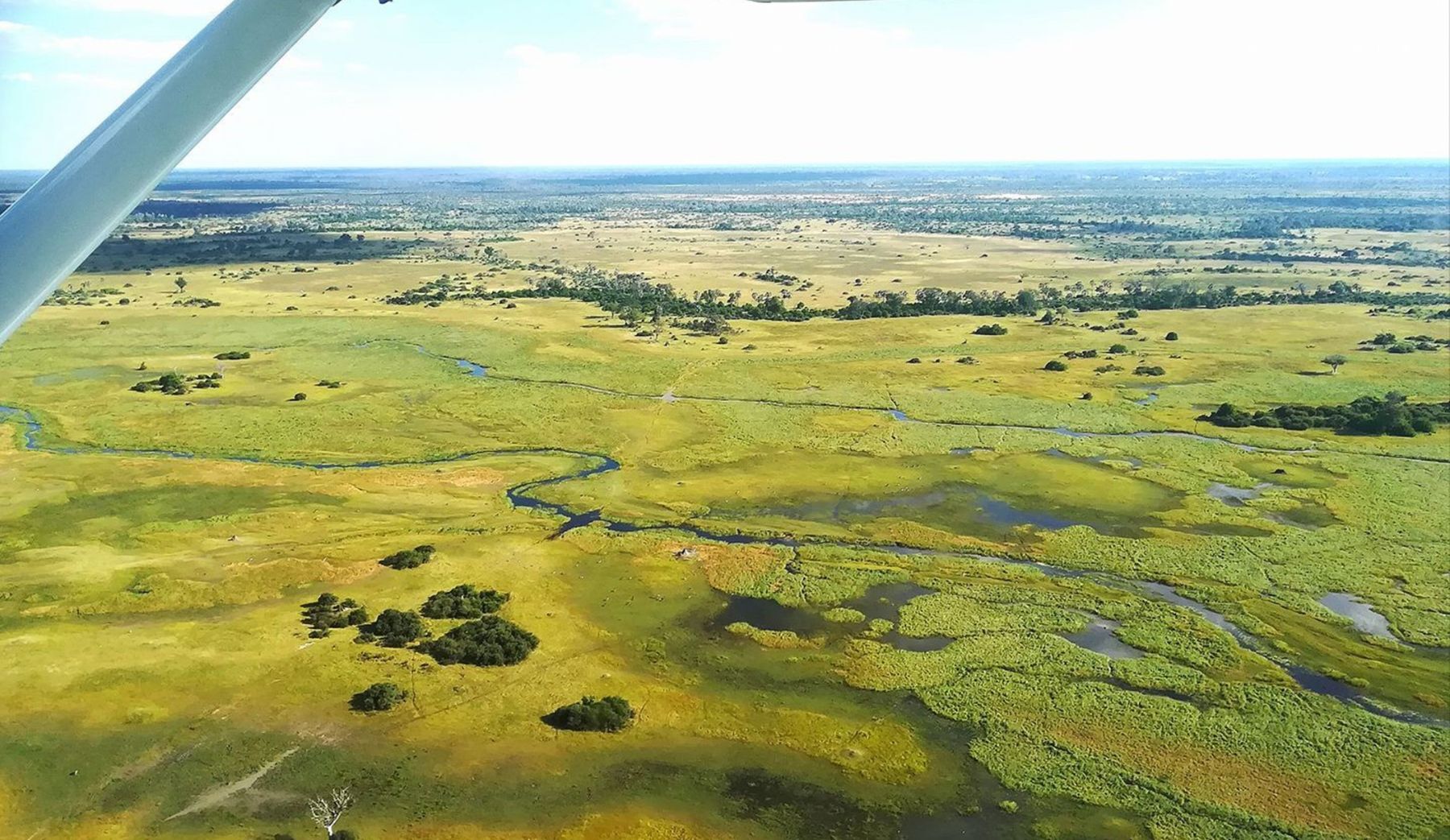
The Okavango Delta becomes lush and picturesque. Thundery afternoons and vibrant floodplains create extraordinary photographic moments. Rates soften (yes, it is possible), and while wildlife may take a little more effort to spot, sightings remain deeply rewarding. As one young guest once told me, “It’s like looking for Easter eggs - there are lots out there, you just have to look a bit harder.”
Kenya & Tanzania | November to May
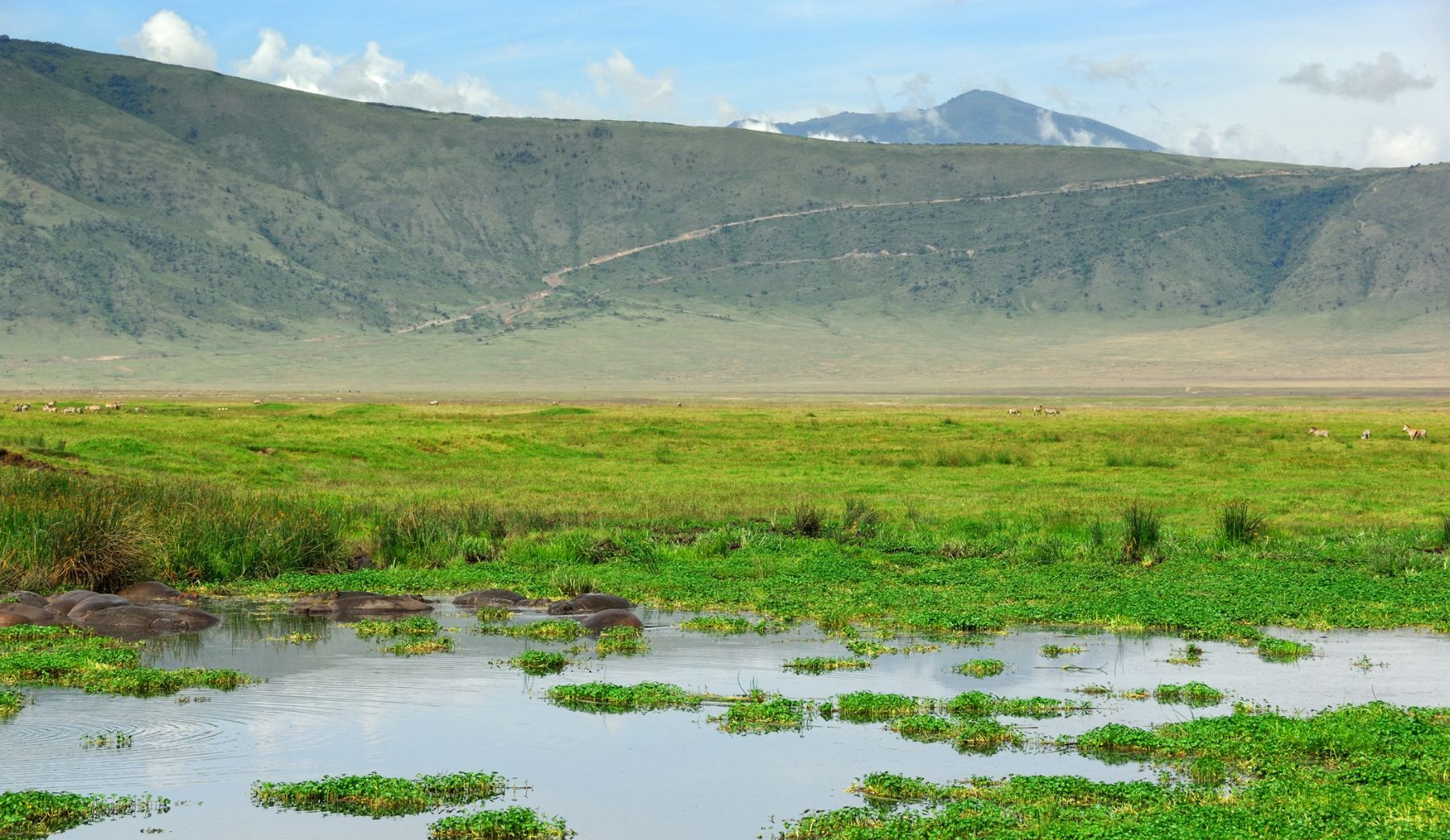
Short rains in November and December bring warm showers, glowing light, and quieter parks. From late December through March, the Great Migration’s calving season unfolds, peaking in February across the Southern Serengeti and Ngorongoro Conservation Area. Around 500,000 calves are born in a remarkably short window, drawing predators and creating some of Africa’s most dramatic wildlife scenes.
From April to May, the long rains arrive, building towering cloudscapes and brooding skies over the Serengeti, Maasai Mara, and Ngorongoro. Roads can be more challenging during this period, but for travelers with a sense of adventure, it remains a richly atmospheric time to go on a safari.
Check out some sample itineraries for Kenya and Tanzania.
Zimbabwe & Zambia | November to April
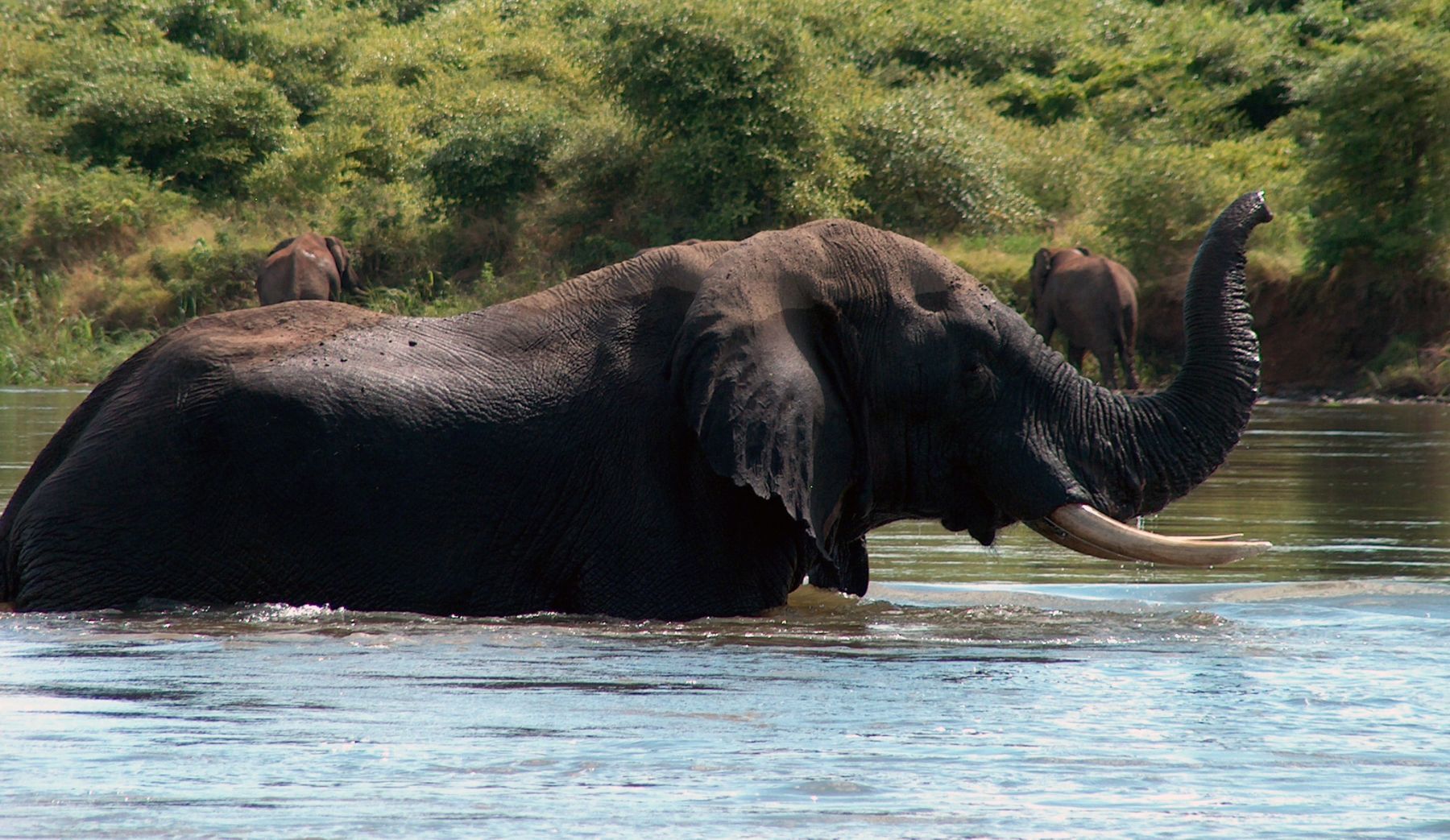
Mana Pools, Hwange, and South Luangwa transform into vivid green landscapes filled with newborn wildlife and exceptional birdlife. Some camps close during peak rainfall, so early planning is essential.
Expect hot, humid days, bright mornings, and dramatic afternoon thunderstorms. While thicker vegetation can make wildlife harder to spot and some roads may become muddy, prices are more favorable and visitor numbers drop significantly. As always, it’s about weighing the atmosphere and value against ease of access.
Namibia | December to March
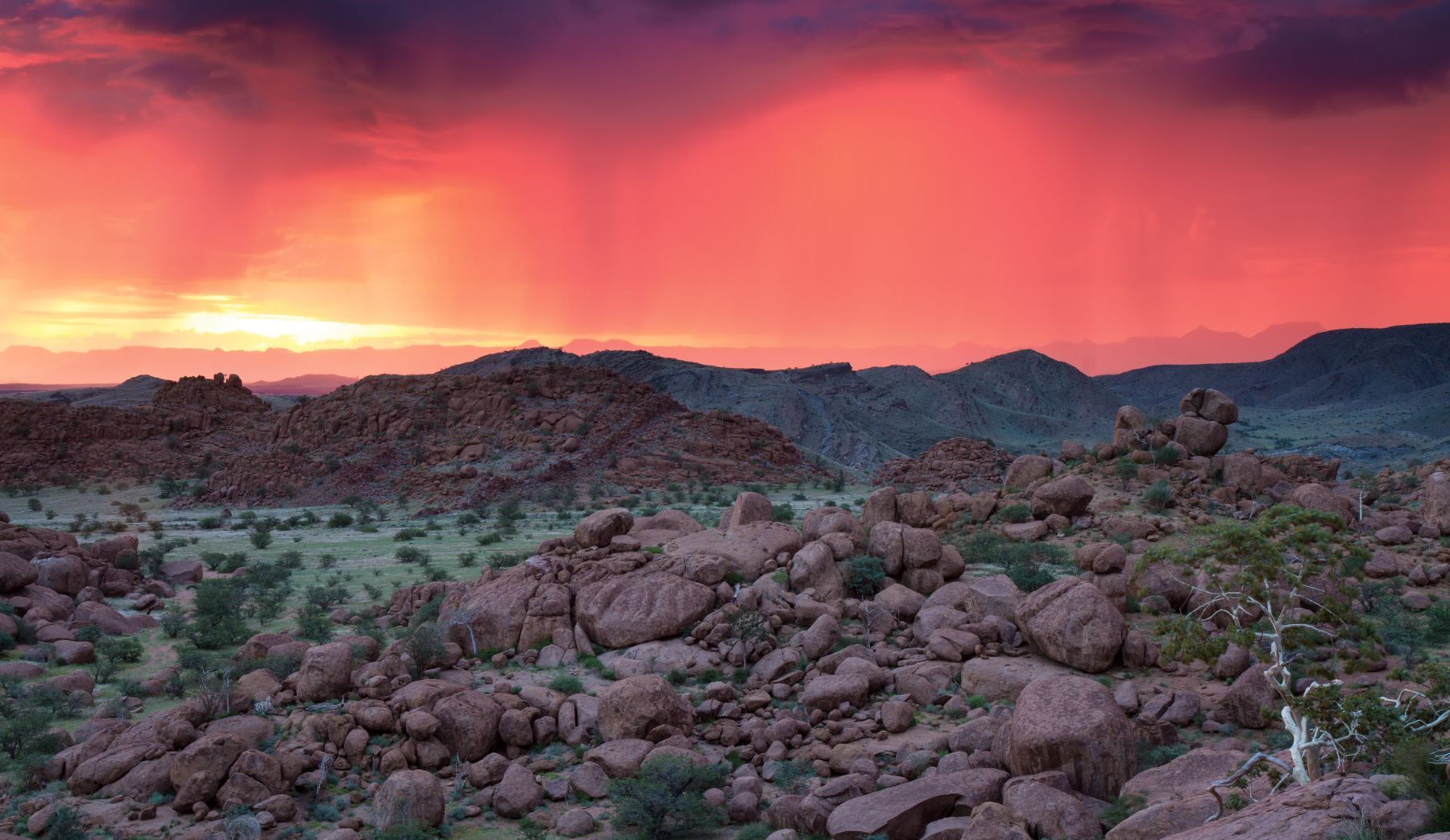
Etosha’s pans reflect storm-lit skies, deserts briefly bloom, and vast thunderstorms roll across Damaraland and Sossusvlei.
If you think Namibia is only about stark desert landscapes, the Green Season tells a different story. Rivers and pans fill, trees leaf out, and savannahs flush with color. Wildlife disperses naturally as water becomes plentiful, birdlife explodes with migratory arrivals, and many species give birth during these months. With fewer visitors and dramatically transformed scenery, Namibia in the Green Season feels expansive, intimate, and quietly spectacular.
South Africa | November to March & April to May for the Western Cape

In the North of the country where the main safari regions are, the reserves here turn lush and full of life after the long dry season ends. Baby animals everywhere, rich birdlife, humid afternoons, and excellent Green Season rates.
For the Western Cape region, home to Cape Town and the famed Garden Route, the April and May months often provide the best weather. Not too hot, not too cold and little wind and rain. This is also when the winelands vineyards turn red - just like some of the wines they birth.
Rwanda & Uganda | March to May and October to November
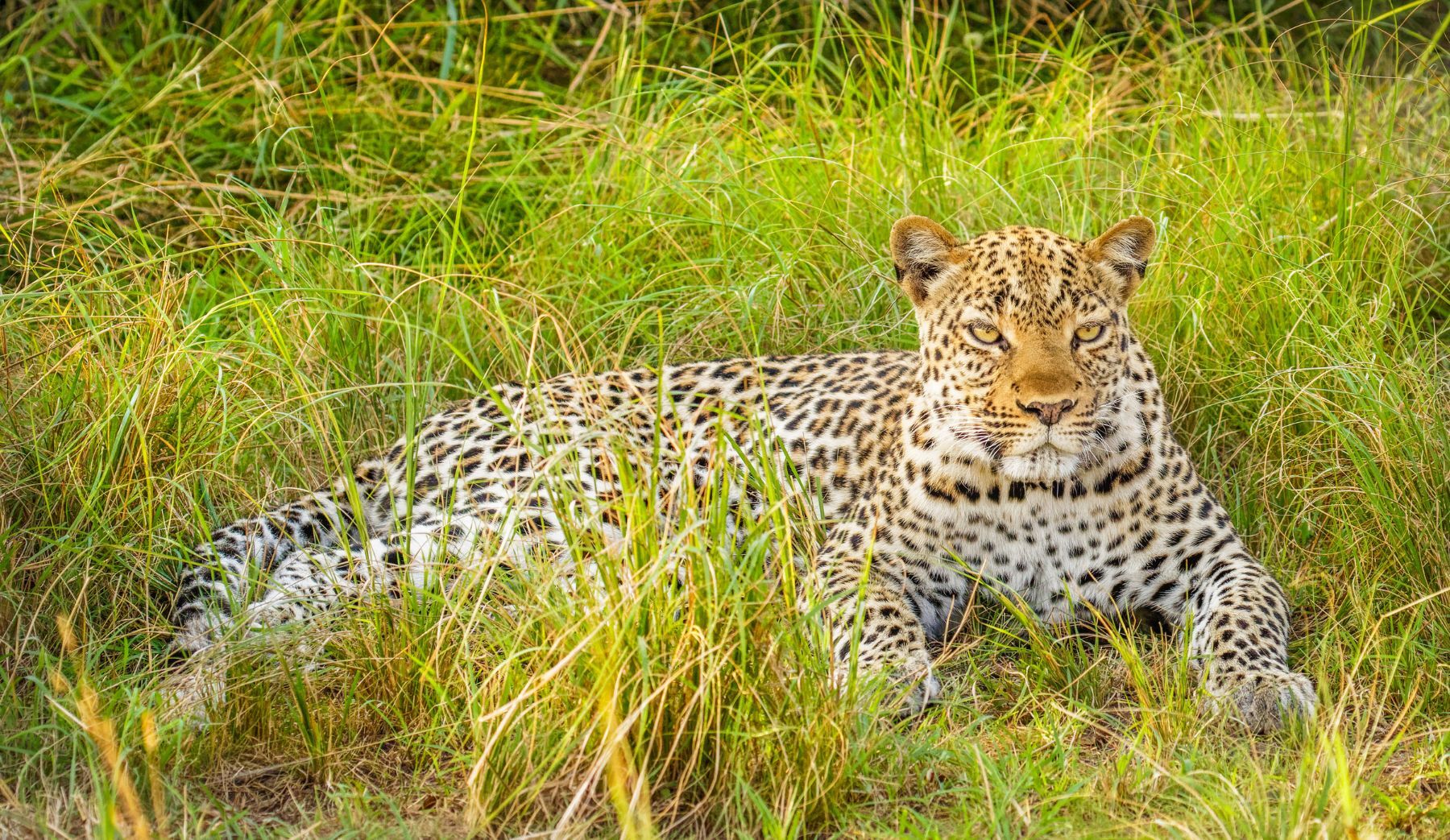
These months are known for gorilla and chimpanzee trekking, but both countries also offer wonderful traditional safaris during this time too (yes you can do more than “just” a gorilla trek).
Think lions lounging on sun-warmed kopjes in Akagera, elephants along the Kagera River, tree-climbing lions in Queen Elizabeth National Park, and vast savannas dotted with antelope. The landscapes are lush, the light is beautiful, and the wildlife viewing remains strong.
Ethiopia | June to September Green/Wet Season
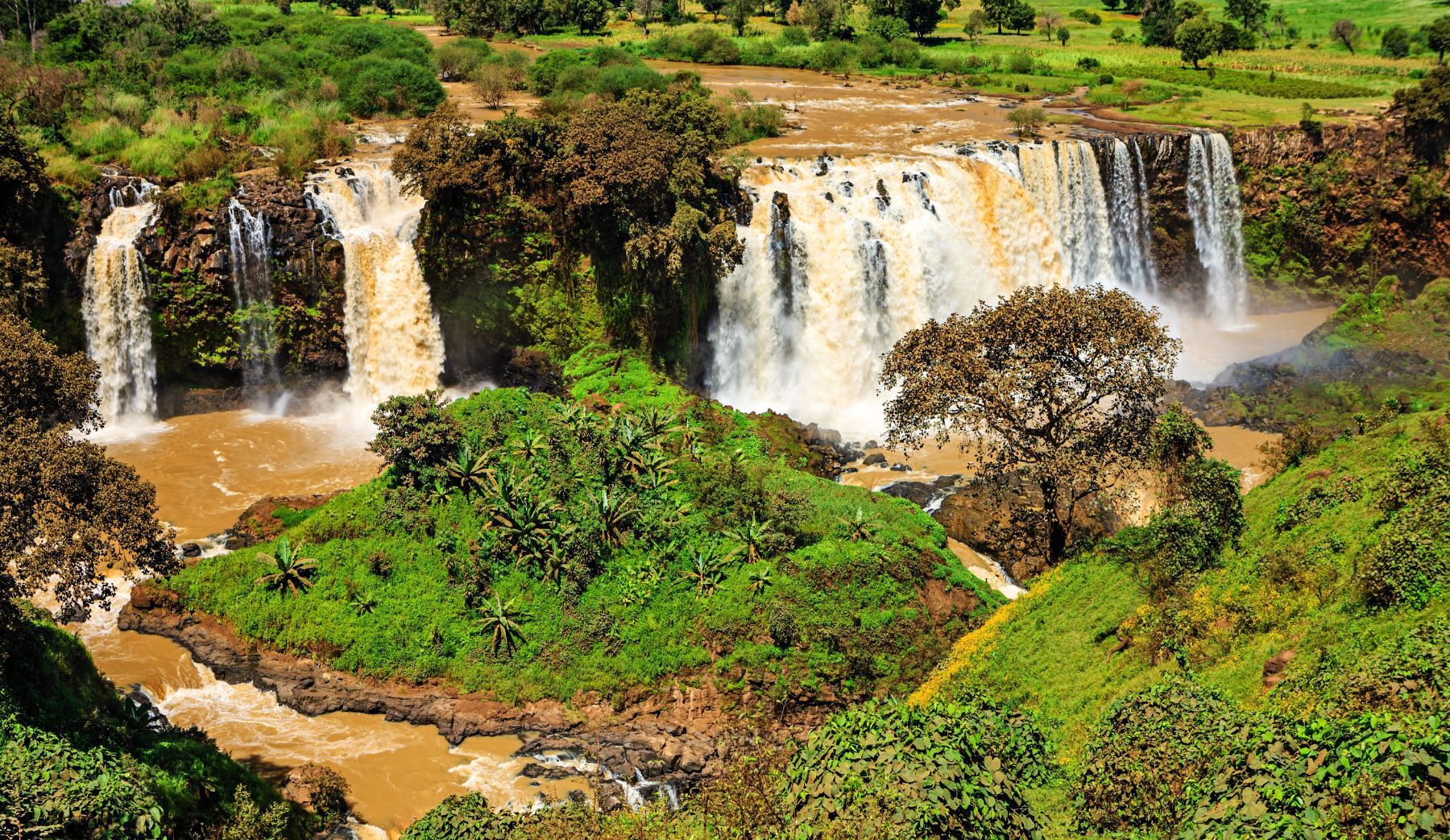
I’m getting more and more enquiries about Ethiopia so I had to include it here as it’s one of the most interesting destinations in Africa (I think). Generally speaking, during June and September the highland scenery becomes lush and green. We would not recommend traveling in July and August due to the heavier rains, but one could look at traveling September to October as it's on the cusp of both seasons.
A Clever Strategy for Travelers on a Budget: Mix Green and Peak Seasons
One advantage many travelers overlook but one which I’ve perfected in my thirty years in the travel industry?
Africa’s Green Season doesn’t happen everywhere at the same time.
If your budget doesn’t allow for peak season pricing but you still want a multi-country safari, traveling in these months is one of the smartest ways to stretch your journey and budget.
For example:
- Tanzania and Ethiopia (going into green season), combined with Rwanda / Uganda (both dry season)
- Namibia (exciting afternoon thunderstorms), Cape Town, and the Garden Route (minimal wind and lovely weather)
By pairing destinations in different phases of their seasons, you experience the best of both worlds: peak wildlife viewing in one region, atmospheric Green Season beauty in another, and all for significantly less than a pure peak-season itinerary.
This is how many of my guests manage to explore three or four countries without stretching beyond their travel budget.
Why I Recommend This Season So Often
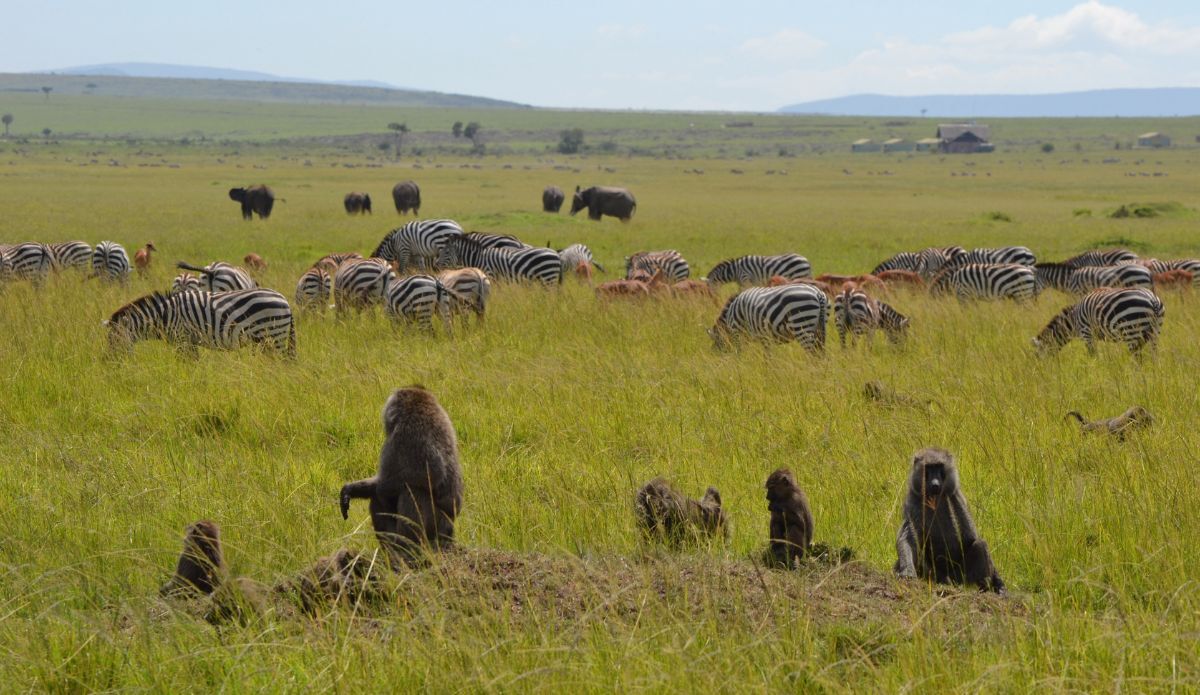
I’ve seen how the Green Season opens Africa in ways that feel deeply personal. It’s quieter, softer, more dramatic, more playful. Wildlife thrives, babies are everywhere (which means dramatic hunts too by apex predators), the birdlife is spectacular, and the entire continent feels renewed.
Your Moment Is Now
Demand for Green Season travel is rising fast, especially in Botswana, Kenya, Tanzania, Rwanda, and Uganda. Camps offering reduced rates book up earlier each year. If you’re considering a safari between November and May, now is the moment to begin crafting your journey.
Let’s create a safari that captures dramatic skies, lush landscapes, and exceptional value, all wrapped into one unforgettable adventure. For more insight into how I work and what you can expect, visit our booking process page, or watch this short YouTube video here to learn more.
Let’s build something unforgettable together.
Sunny, warm regards,
Kirsty