
Is A Safari Ethical? The Loaded Question Shaping the Future of African Travel
Published: 28 May 2026
Few travel experiences carry the emotional weight of an African safari. For some, it is the ultimate connection to nature while, for others, safari tourism raises uncomfortable but important questions. Is it ethical to observe wildlife this way? Who truly benefits? And what impact does tourism have on both wildlife and local communities? The truth is that there is no single answer to the question: Is a safari ethical? Safari exists in shades of grey, not black and white. Ethics in travel are rarely determined by simply going or not going. Instead, they are shaped by hundreds of decisions made behind the scenes, from who owns the lodge and how staff are treated, to where roads are built, how sightings are managed, and whether nearby communities are genuinely benefiting from tourism revenue. In many ways, an ethical safari is less about appearances and more about systems and here’s what we mean by this:
Not All Safaris Are Created Equal
Two lodges may both advertise luxury tents, conservation, and “eco-conscious travel,” yet operate in completely different ways.
One may actively contribute to habitat protection, anti-poaching initiatives, local employment, and community education. Another may simply use sustainability as a marketing term (aka “greenwashing”) while operating with little meaningful long-term impact.
That’s why it’s important to look into these initiatives and not just to accept words on a website, but look for proof. This may seem overwhelming if you’re DIYing a safari (something we’d strongly advise against). Yet if you work with Anywhere in Africa Safaris it will soon become clear that we’ve done all this transparency and legitimacy checking for you - even holding ourselves accountable by supporting conservation and actively sharing donation amounts and showing you where your safari goes and who it benefits.
The ethical conversation begins long before guests arrive.
Questions worth asking include:
- Who owns the lodge?
- Is the reserve privately owned, community-owned, government-managed, or internationally funded?
- Are local communities employed in meaningful positions or only entry-level roles?
- Are profits staying within Africa or leaving the continent?
- Is conservation genuinely prioritised or secondary to guest entertainment?
There is no perfect formula, but transparency matters. Ethical safari operators are usually willing to discuss these topics openly because conservation and community inclusion form part of their identity, not just their branding.
The Conservation Paradox
One of the most complex realities of safari tourism is this:
Without tourism, many protected wilderness areas in Africa would struggle to survive financially.
Tourism revenue often funds:
- Anti-poaching units
- Wildlife monitoring
- Habitat restoration
- Ranger salaries
- Veterinary interventions
- Research projects
- Community infrastructure
- Education initiatives
In countries across Africa, wildlife competes directly with agriculture, urban development, mining, and livestock farming for land. Safari tourism can help make wildlife economically valuable enough to protect.
This creates what many conservationists call the “conservation paradox.” Human presence can place pressure on ecosystems, yet responsible tourism can also become one of the strongest financial arguments for preserving them.
Safari, when managed responsibly, can help keep wild spaces wild.
Community Inclusion Cannot Be an Afterthought
Perhaps the most important ethical question is not about the animals at all.
It is about people.
For decades, parts of Africa’s conservation history excluded local communities from ancestral land, often without meaningful compensation or inclusion. In some areas, communities living alongside wildlife carried the costs of conservation while seeing few benefits from tourism.
Today, many of the most forward-thinking safari models are working to change that.
Community-owned conservancies, locally operated lodges, revenue-sharing models, skills development programmes, and education initiatives are increasingly shaping the future of ethical safari travel.
The most impactful safari experiences often involve:
- Community partnerships
- Local guiding programmes
- Cultural preservation initiatives
- Scholarship and education funding
- Locally sourced food and products
- Long-term employment pathways
Ethical safari should never mean wildlife thriving while neighbouring communities are left behind.
True conservation happens when people benefit alongside nature.
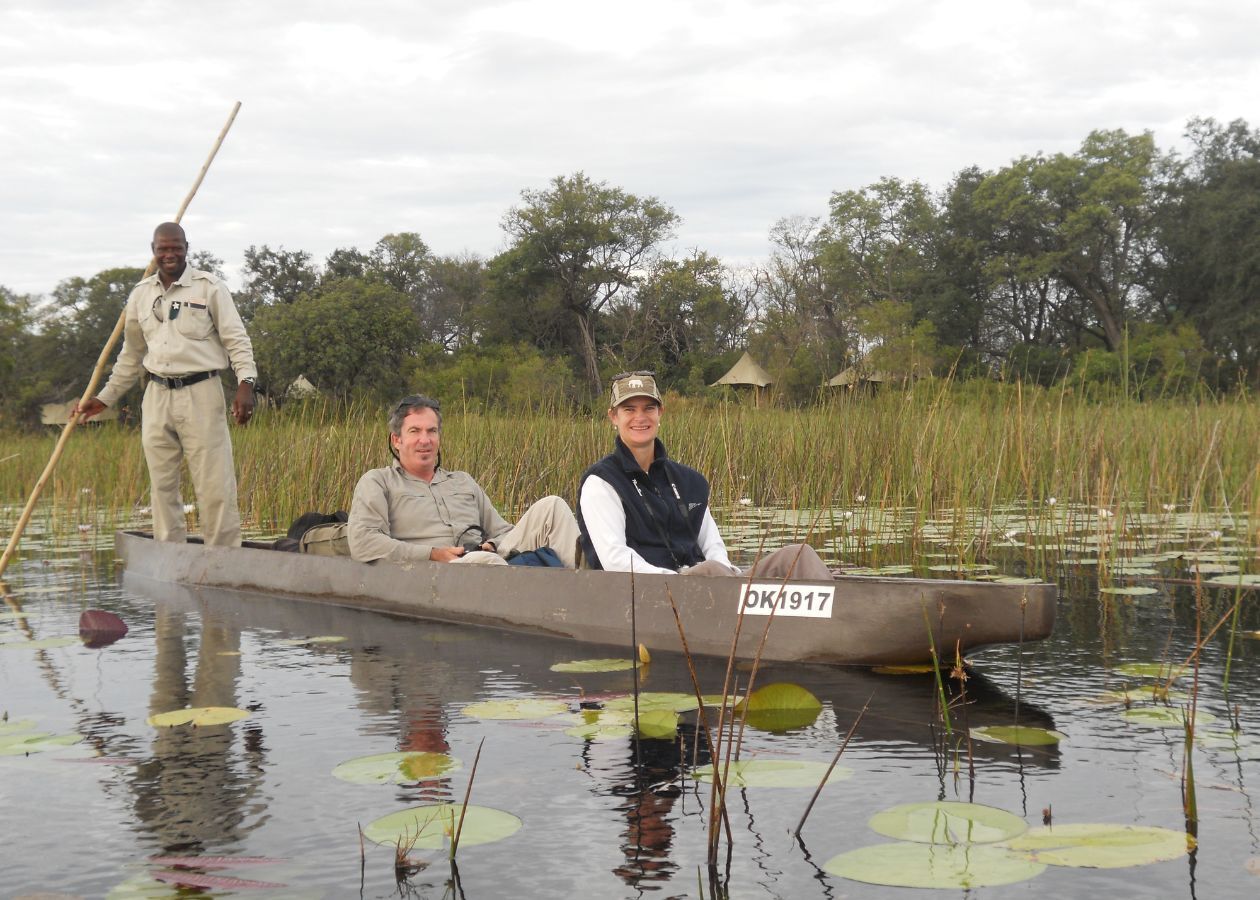
How a Lodge Is Built Matters Too
Ethics also extend into architecture, infrastructure, and environmental planning.
Where a lodge is positioned can affect migration routes, water access, breeding grounds, and animal movement patterns. Poorly planned development can fragment ecosystems or place unnecessary stress on wildlife.
Responsible lodges increasingly consider:
- Low-impact construction
- Renewable energy systems
- Water conservation
- Waste management
- Reduced vehicle density
- Carefully positioned roads and viewing decks
- Minimal habitat disruption
Even luxury has evolved. Some of Africa’s most exceptional lodges now prove that comfort and conservation can coexist without overwhelming the environment they rely upon.
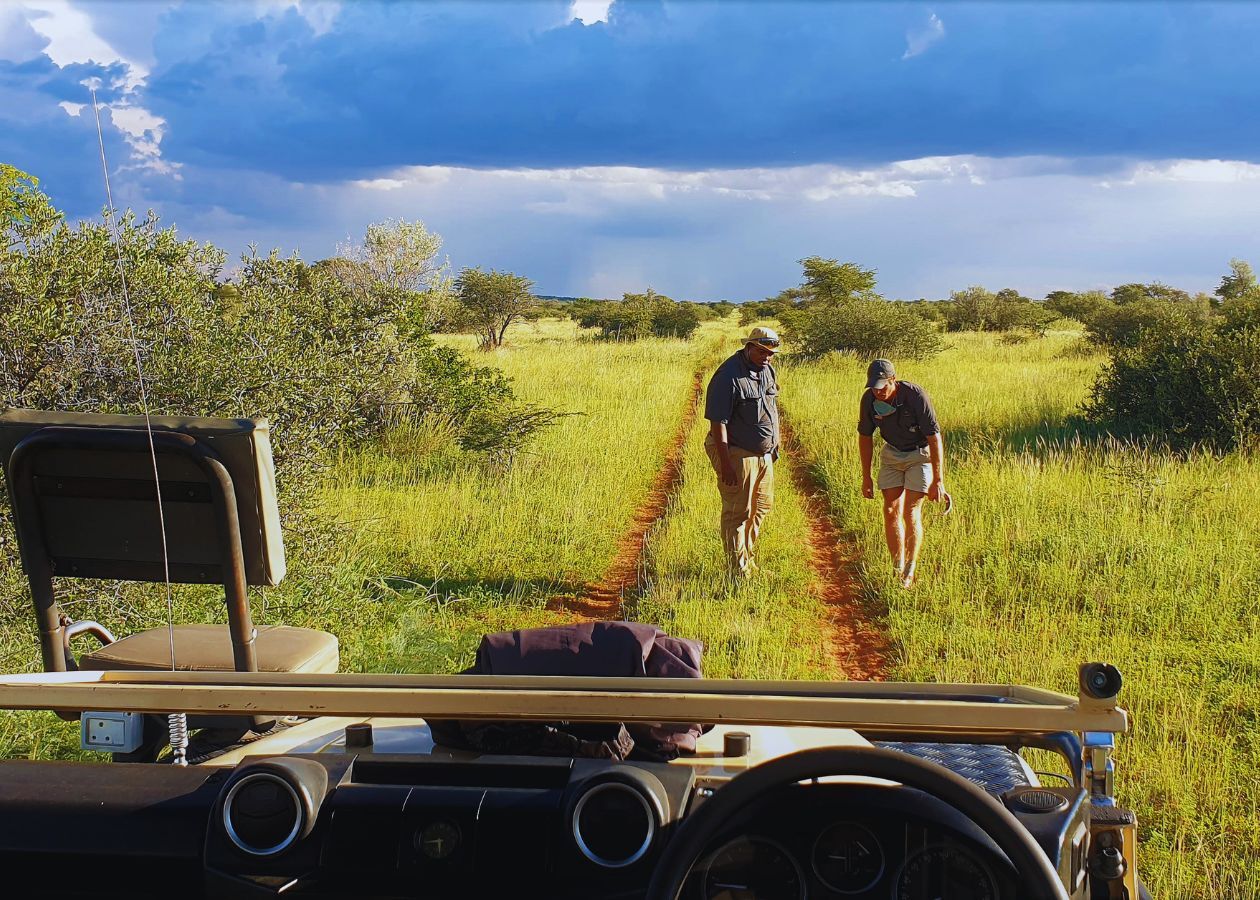
The Ethics of the Game Drive
For many guests, the safari vehicle becomes the heart of the experience. Yet this is also where ethics become highly visible.
How guides and trackers handle sightings says a great deal about an operator’s philosophy.
Questions worth considering include:
- How many vehicles are allowed at a sighting?
- Are animals being crowded or blocked?
- Are guides respecting animal behaviour and stress signals?
- Is off-roading controlled responsibly?
- Are sightings educational or purely entertainment-driven?
- Are guests being taught about ecosystems or simply chasing “the Big Five”?
A skilled guide does far more than locate animals. Great guidance creates understanding.
The best trackers and guides know when not to approach. They prioritise animal welfare over dramatic photographs. They explain behaviour, ecology, conservation pressures, and the interconnectedness of the landscape.
Safari should inspire awe, yes, but also respect.
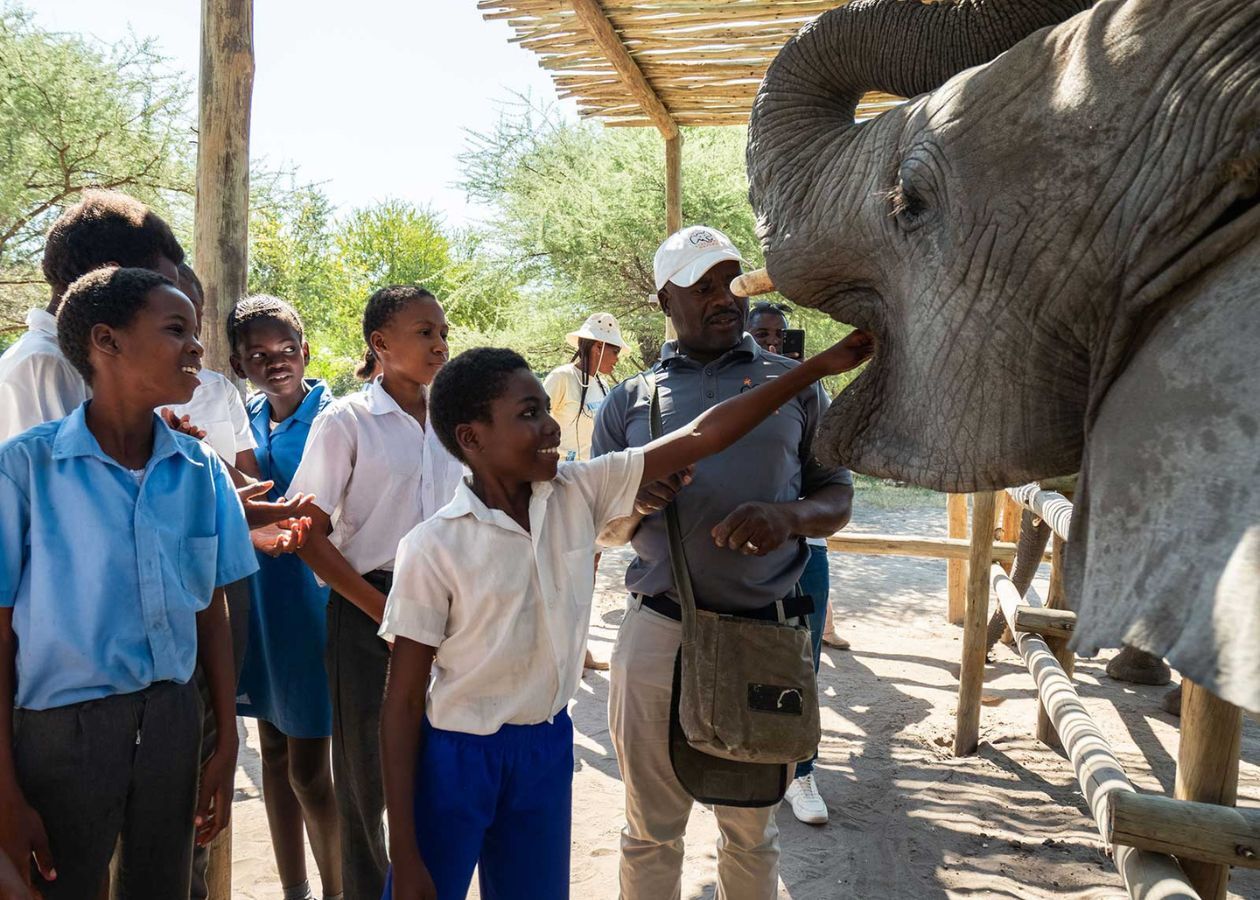
Education Changes Everything
One of the most overlooked aspects of ethical safari is education.
A meaningful safari can fundamentally reshape how travellers understand conservation, ecosystems, colonial history, climate pressures, biodiversity loss, and rural economies across Africa.
Done properly, safari becomes less about consuming nature and more about learning from it.
The experience can challenge assumptions:
- That conservation is simple
- That humans and wildlife exist separately
- That ethical travel is always obvious
- That luxury and sustainability are automatically incompatible
Safari has the power to create ambassadors for conservation across the globe. But that only happens when travellers are encouraged to engage thoughtfully with the places they visit.
So… Is Safari Ethical?
Sometimes yes. Sometimes no. Often, partially.
What we should rather be asking is:
What makes a safari more ethical?
The answer lies in intentionality.
Ethical safari operators are not perfect, but they are usually asking difficult questions continuously:
- How can tourism protect biodiversity?
- How can local communities benefit meaningfully?
- How can environmental impact be reduced?
- How can guests leave more informed than when they arrived?
- How can wildlife remain truly wild?
A safari is not inherently ethical or unethical. It is shaped by the choices travellers make and the operators they support.
In a world where wild spaces are under increasing pressure, responsible safari tourism can play an important role in protecting ecosystems, supporting communities, and preserving Africa’s extraordinary biodiversity for future generations.
But only if it is done thoughtfully.
And perhaps that is exactly why this conversation matters so much. At Anywhere in Africa Safaris we don’t claim to do it all perfectly or know absolutely every clause or procedure in a lodge or reserve’s conservation programme, but we know enough people and have been in this industry for long enough to know when something is ethical or not.
If you truly believe in travel that gives back, we would love to work with you in bringing your bucket list to life in an ethically conscious manner. Africa has given us so much and we want to give back through what we do.