

Women Leading Conservation in Africa: Celebrating Debra Stevens This Women's Month
Published: 7 August 2026
Dreaming of a safari? Aren't we all? Yet what few people realize is that the elephants crossing the golden plains are often there due to the incredible conservation work done by women working tirelessly behind the scenes, ensuring that these moments continue to exist for generations to come. This Women's Month, I want to celebrate one of those extraordinary women. Her name is Debra Stevens. And to say I'm in awe of her, would be an understatement!
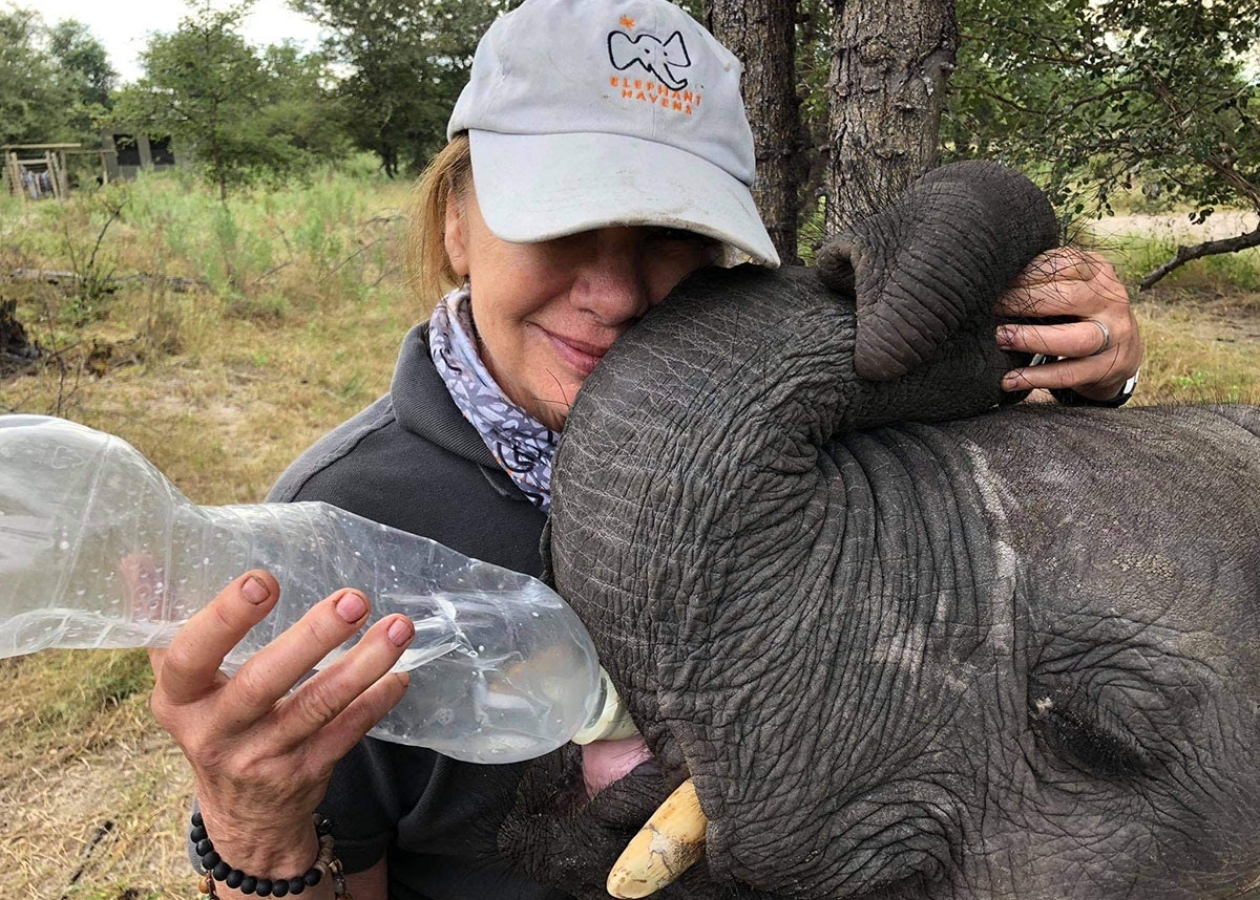
As the co-founder of Elephant Havens just outside of Maun in Botswana, Debra has become one of Africa's most inspiring conservation leaders, dedicating her life to giving orphaned elephants the opportunity to return to the wild. Her work is a powerful reminder that the future of African tourism depends not only on protecting wildlife, but on protecting the people and organizations committed to conservation.
It's completely understandable that, when you see photographs of carers and guests gently touching orphaned baby elephants, you might wonder whether this is truly conservation? After all, the legacy of circus acts and elephant rides has left many of us wary of human interaction with these magnificent animals.
The reality, however, is very different!
For orphaned calves, physical touch is not about entertainment. It's about survival. In the wild, young elephants are in almost constant contact with their mothers and herd, relying on that reassurance for comfort and healthy development. When a calf loses its family, its carers must help fill that emotional and physical void. Gentle physical contact, bottle feeding and around-the-clock care provide the nurturing these babies desperately need during the most vulnerable stage of their lives.

Far from creating dependency, this early care gives orphaned elephants the best possible chance of growing into healthy, confident adults that can ultimately be rewilded and reintroduced to their natural habitat. Every touch is part of a carefully considered conservation journey, with one goal in mind: returning these elephants to where they belong, living wild and free.
Human involvement is never about creating tame elephants. It is a temporary lifeline that gives them the chance to reclaim their future. As the calves grow stronger, something remarkable happens. They begin to rebuild what they lost. Together, they form a new family.
Within this orphan herd, they learn the language of elephants. They develop social hierarchies, build lifelong bonds and gain the confidence that comes from belonging. As these natural relationships strengthen, the role of their human carers gradually fades into the background, allowing the herd to become their primary source of guidance, comfort and security.
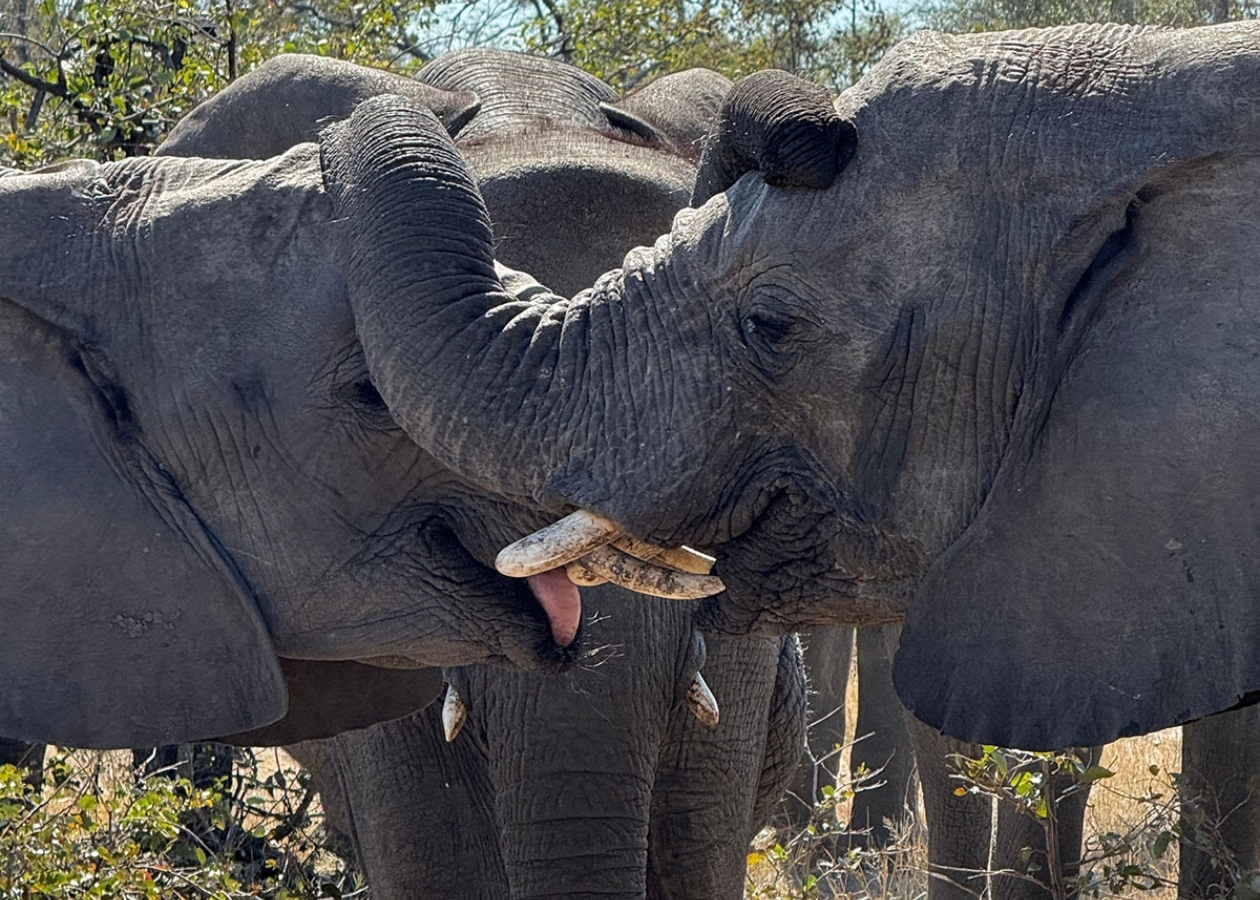
Over the years, they learn how to forage, navigate their environment, respond to threats and make independent decisions, all under the watchful eye of experienced conservationists who intervene only when absolutely necessary.
Only after eight to fifteen years, once an elephant has demonstrated the physical resilience, emotional maturity and social confidence needed to survive in the wild, is it ready to return to a protected natural habitat.
That level of commitment is extraordinary.
It is conservation measured not in months or financial quarters, but in decades. It is patient, deeply intentional work, driven by a single purpose: giving every orphaned elephant the greatest possible chance of one day living exactly as nature intended.
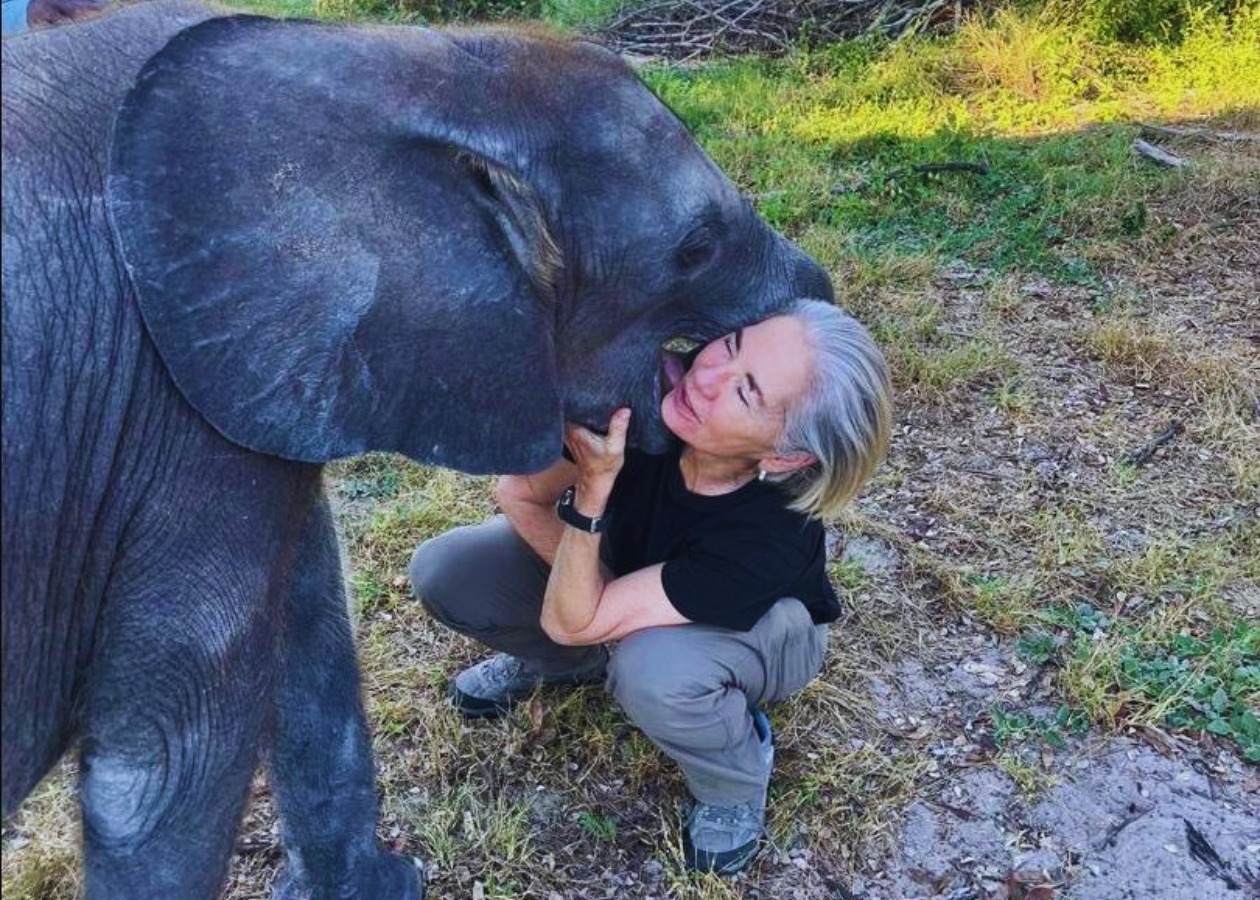
Where Did It All Begin?
When Debra founded Elephant Havens Wildlife Foundation alongside Boago Poloko (Co-founder & Elephant and Operations Manager) and her husband Scott Jackson, in 2017 she had no idea it would one day grow to include community upliftment - but we will get to that later!
It all started in 2013 when Debra and Scott met Naledi, a six-month-old orphaned elephant at Abu Camp in Botswana. Having traveled to Africa with her husband, Scott Jackson, since 2000, Debra had long been captivated by the continent's people and wildlife. But through Naledi, she witnessed first-hand the profound emotional intelligence of elephants and the critical role that connection and human care play in the survival of orphaned calves.
Inspired by this experience, Debra and Scott joined forces with renowned elephant handler Boago to establish Elephant Havens Wildlife Foundation in 2017, creating Botswana's first dedicated sanctuary for orphaned and abandoned elephants.
Leadership Defined by Patience
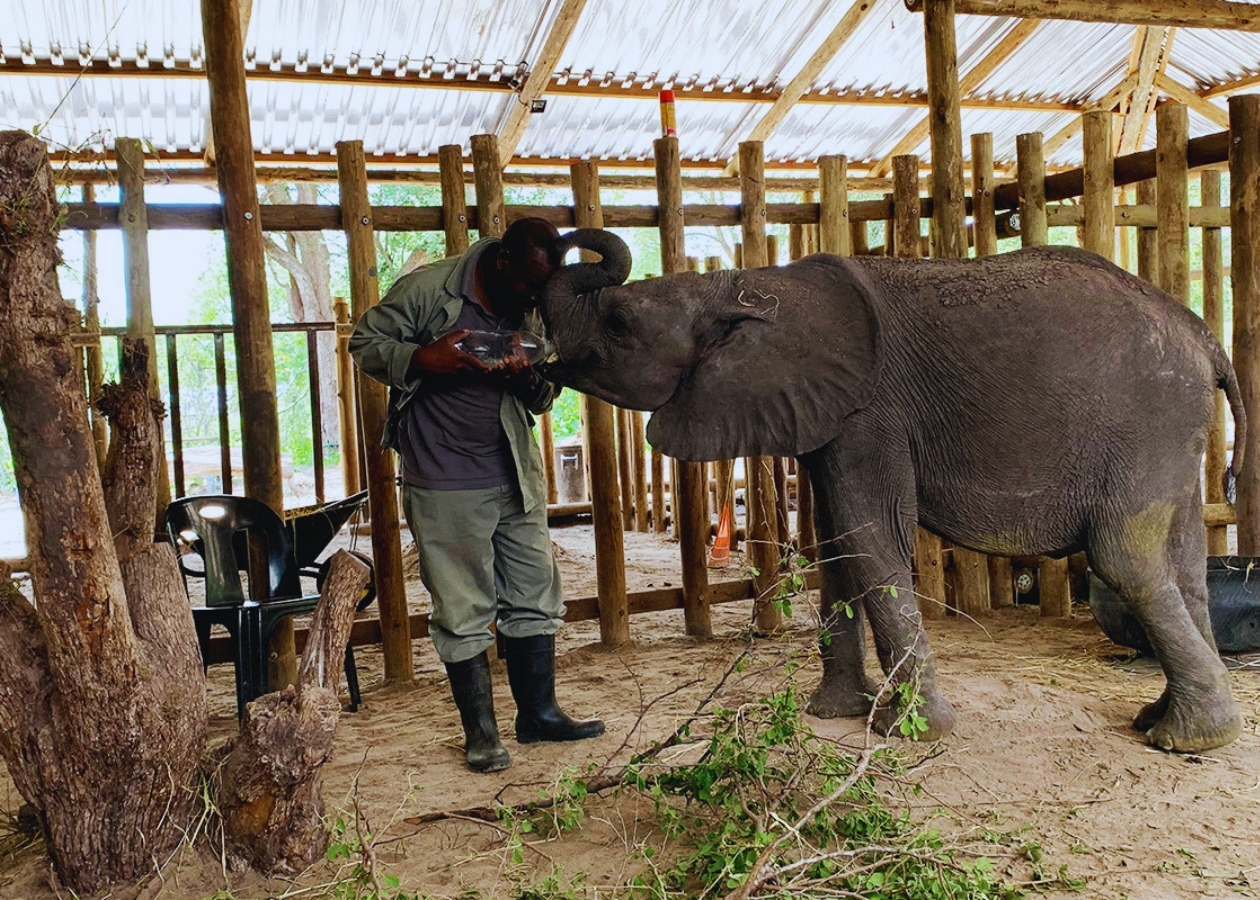
In today's world, we're often encouraged to celebrate quick wins. Yet, Debra's work with Elephant Havens reminds us that some of the greatest achievements take time. Her success isn't measured by visitor numbers or social media moments (but you're welcome to give them a follow here). It's measured by something more meaningful: an elephant that no longer depends on humans.
Reaching that goal, however, extends beyond caring for orphaned elephants. It means earning the trust and support of communities sharing the landscape with them.
Across Africa, many orphaned elephants lose their mothers as a result of human-wildlife conflict. As elephant populations expand and habitats overlap with farmland, desperate farmers sometimes see no option but to protect their crops. Conservation cannot succeed without recognizing these realities and working alongside the people who live with wildlife every day.

The encouraging news is that many communities are discovering that thriving wildlife brings better livelihoods. Sustainable tourism creates long-term employment, supports local businesses and generates economic opportunities that often exceed those offered by subsistence farming. When people benefit from wildlife, protecting it becomes a shared priority rather than a burden.
That's why Elephant Havens' work extends well beyond the boundaries of the orphanage. Through Debra's tireless fundraising efforts and the generosity of supporters from around the world, the organization has invested in projects that improve everyday life for local families. If you'd like to donate click here.
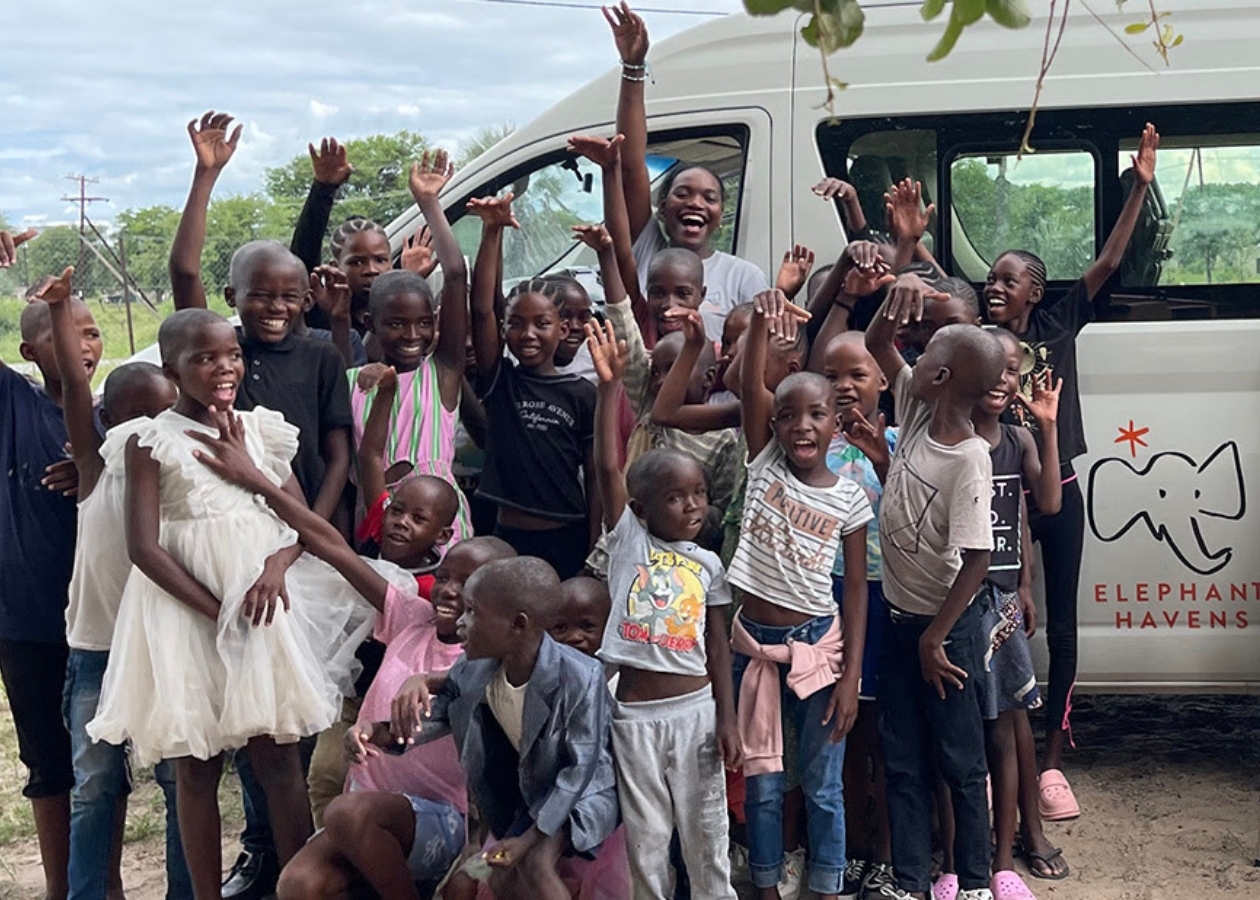
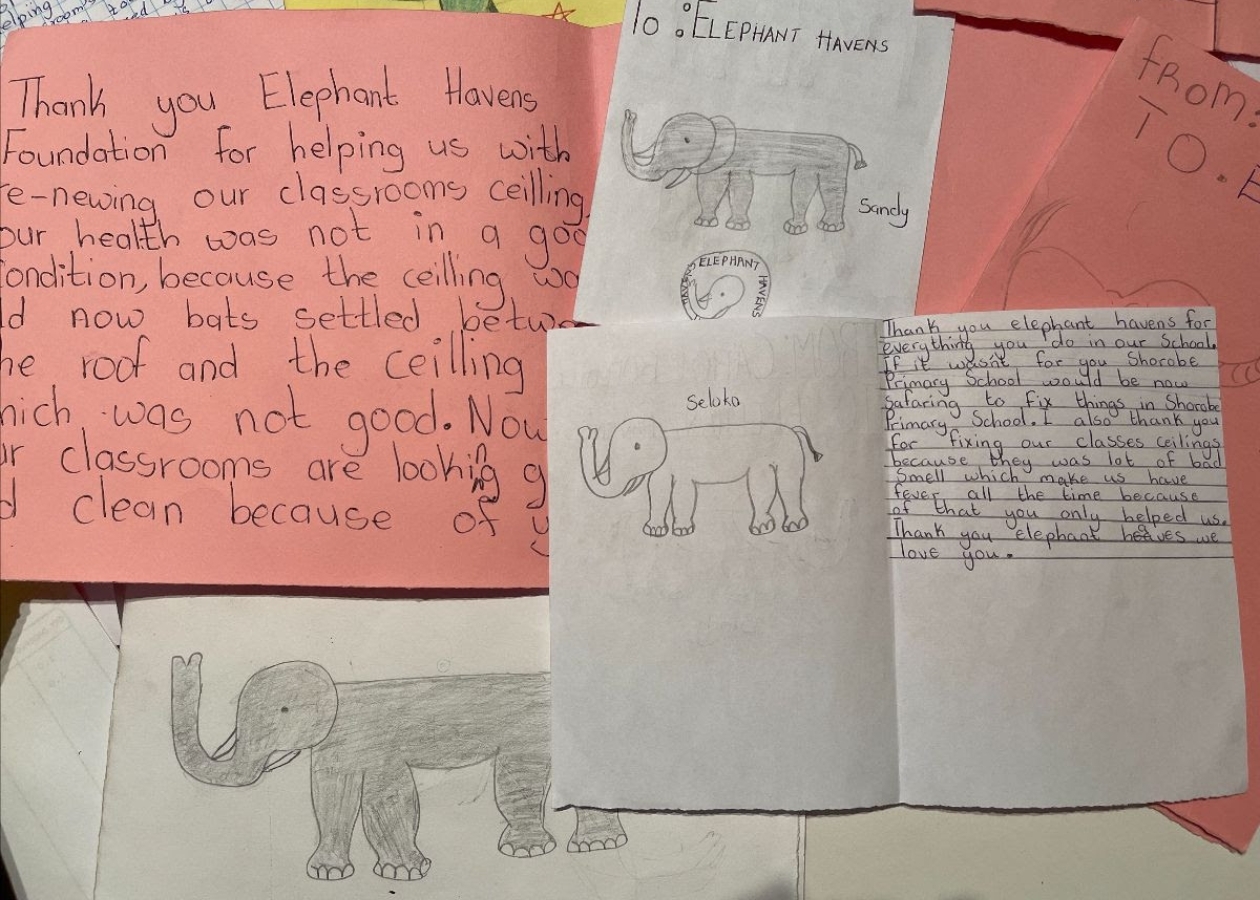
Children who once walked vast distances to school are now transported safely each day on the Elephant Havens shuttle bus. Schools have received computers, opening the door to digital learning and giving students the skills they need to pursue higher education and future careers. Clinics, libraries and other community initiatives have also been supported, helping to create healthier communities. And this is just the beginning...

These projects may not always make headlines, but they represent one of conservation's most powerful truths: protecting wildlife begins with investing in people. When communities have access to opportunity, conservation becomes something they lead and fiercely protect, rather than something imposed upon them.
It's a philosophy that has defined Debra's leadership from the very beginning, and one that continues to create lasting change for both elephants and the people who call Botswana home.

A Historic Moment for Elephant Conservation
This Women's Month feels particularly significant because Debra and the Elephant Havens team are celebrating a milestone that once seemed like a distant dream.
The Department of Wildlife and National Parks (DWNP) has officially approved Elephant Havens' proposal to begin releasing its elephants back into the wild. In 2027, the first group of ten elephants will begin their journey to freedom in the pristine Selinda Reserve, marking the beginning of a new chapter not only for the sanctuary, but for elephant conservation in Botswana.
For years, Debra and her team have worked towards this single objective. These elephants are not simply being released; they are graduating from years of care into lives of independence. And the journey doesn't end once the gates open. Elephant Havens will continue to monitor the released elephants for between five and ten years, with a field team based in Selinda to ensure they are "living their best lives" out in the wild so to speak.
It is a landmark achievement for Elephant Havens, for Botswana's conservation legacy and for everyone who believes that compassion and perseverance can change the future of a species. People (even some leading conservationists) told them it wouldn't be possible, yet they're proving the naysayers very, very wrong!
A Story That Feels Meant to Be
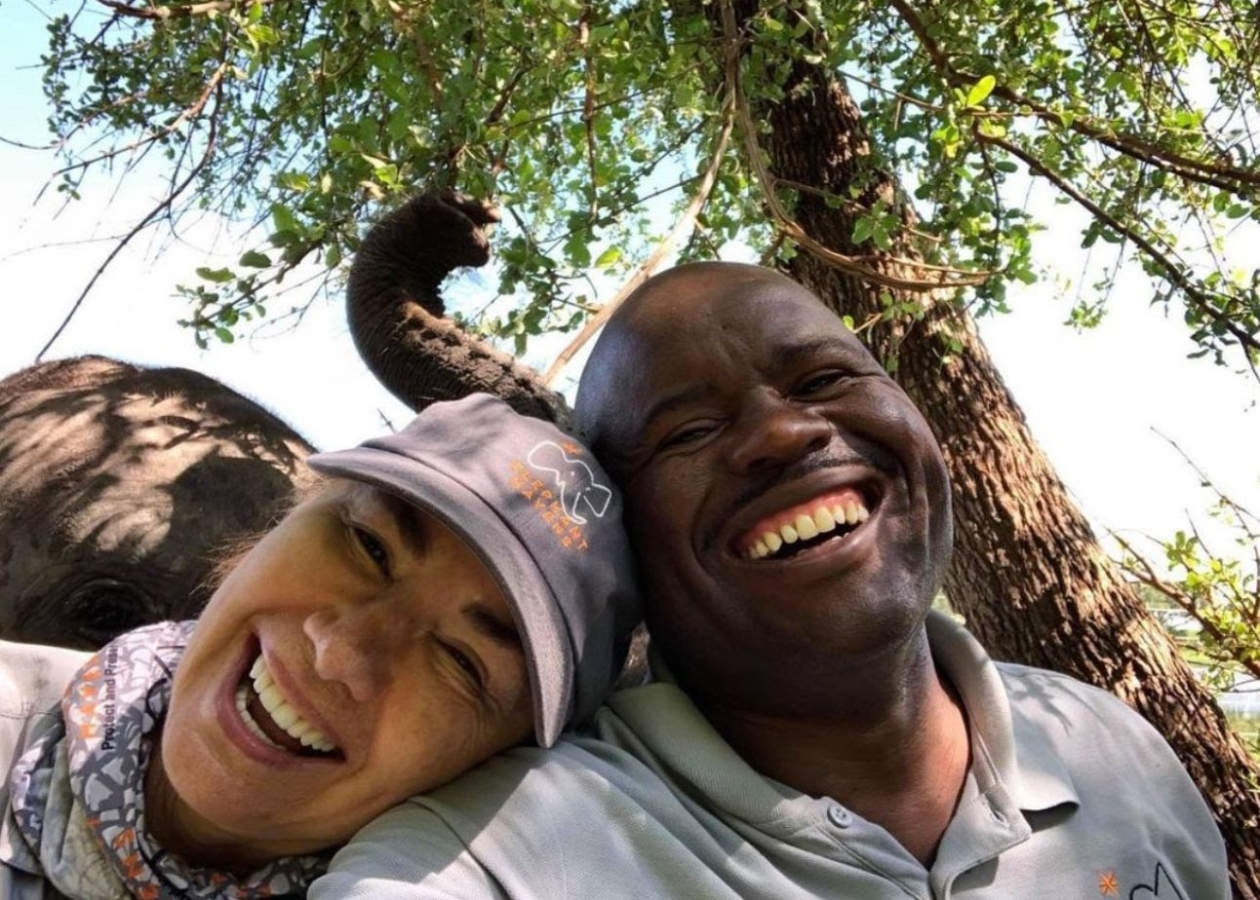
One of the most remarkable parts of Debra's journey is how personal it is. Raised in a small town in Texas, she always felt an unexplainable connection to Africa. Years later, after discovering she had been adopted, she uncovered an extraordinary piece of family history. Her birth grandparents had lived in the Congo as missionaries during the 1930s, where they had rescued and attempted to raise a young elephant. Even the name Elephant Havens honors her birth family's surname, creating a legacy that spans generations and continents.
If you got goosebumps reading this paragraph, you're not alone! Some stories unfold exactly where they're meant to.
Celebrating Women Who Shape Africa's Future
This Women's Month, I celebrate Debra Stevens and every woman working to protect Africa's wildlife, communities and natural heritage. Their work rarely makes headlines. It often requires decades of patience, resilience and determination.
Yet because of women like Debra, orphaned elephants are given a second chance, clients leave with a deeper understanding of conservation, and future generations will still have the privilege of experiencing Africa's wild places.
That is leadership. That is legacy. And that is worth celebrating every day of the year!
For more stories like this, read this blog on other women who have done so much for Africa!